Address
304 North Cardinal
St. Dorchester Center, MA 02124
Work Hours
Monday to Friday: 7AM - 7PM
Weekend: 10AM - 5PM
Address
304 North Cardinal
St. Dorchester Center, MA 02124
Work Hours
Monday to Friday: 7AM - 7PM
Weekend: 10AM - 5PM

When I watch a new operator launch, I look at the same thing every time: how the bankroll behaves under real pressure. At Independent Gaming Pty Ltd we treat bankroll discipline as a commercial oversight issue, not a vibe. A player who misjudges their run is a player who misreads the lobby, the table limits, and the session length. That is where most casino mistakes with bankroll start, and it is the angle I want to keep here.
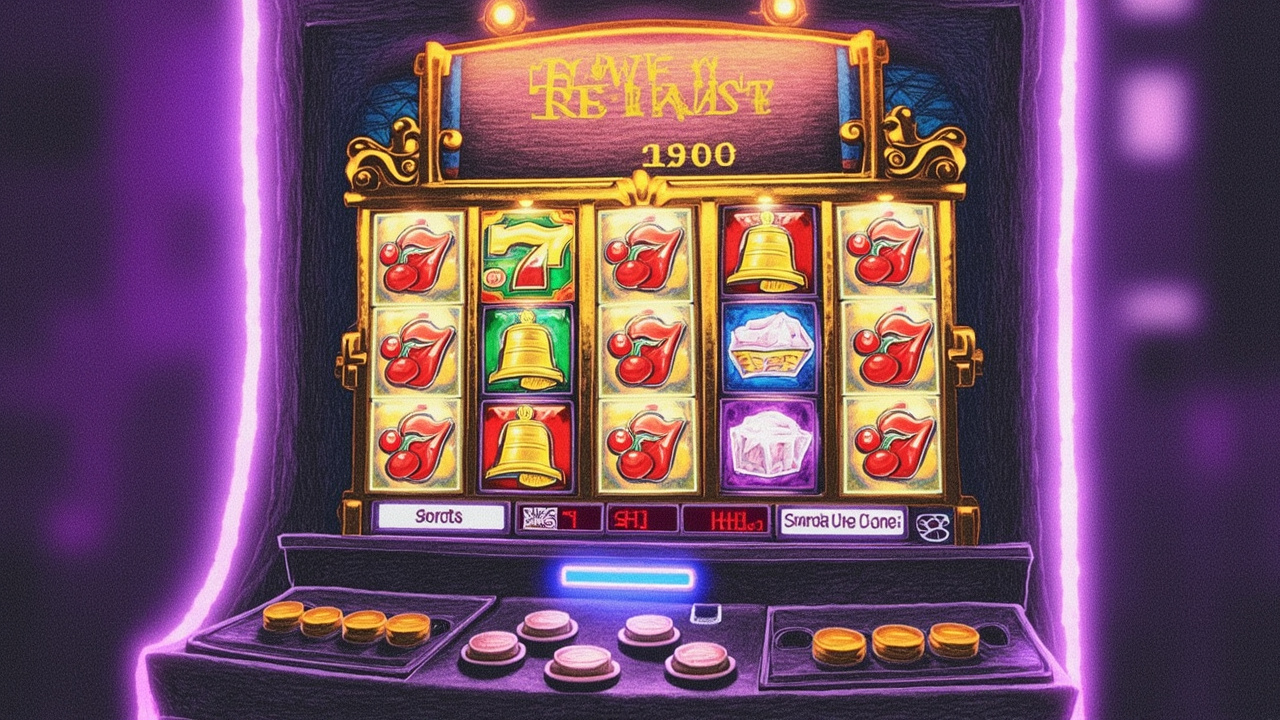
A well organised lobby makes bankroll decisions easier before you even tap a game. Game mix matters because a lobby stacked with high-volatility slots will chew through a session faster than one balanced with table and live content. Provider variety is not just a catalogue flex; it signals whether the house has curated for different risk profiles or simply dumped every licence it could buy. Search and discovery should help you filter by stake range, not just by theme, because finding a game that suits your bankroll is half the battle.
I have seen suppliers pitch a lobby as if more titles automatically means better retention. It does not. If the top of the screen is dominated by max-bet machines and the lower-stakes options are buried three taps deep, the operator is quietly steering your bankroll toward faster depletion. That is a commercial call as much as a UX one. When I assess a floor, I want the discovery tools to surface stake-appropriate games without forcing the player to hunt. A lobby that respects bankroll discipline usually respects the player’s time too.
Table games and live dealer content are where bankroll mistakes become visible quickly. Spin-based slots can hide poor staking behind a long run, but a live blackjack table with a $25 minimum and a $5,000 max will separate a sensible session from a reckless one in minutes. The right move is to match your bankroll to the table’s range, not to the flashiest seat on the screen. If your session bankroll is $200 and the lowest table asks for $40 a hand, you are not playing the game; you are funding it.
Aaron Hall, Head of Live Casino, Blue Gum Gaming Council, has put it plainly in supplier reviews: “Live tables are the first place I see bankroll discipline break, because players chase a slow dealer pace with bigger bets than the session can absorb.” He is right that pace matters as much as limit. A busy arvo session with live baccarat can feel relaxed until the bet sizing creeps. The fix is boring and effective: pick a table whose minimum sits comfortably under your planned stake, then keep the per-round exposure consistent. That is how a bankroll survives a full session instead of blowing up on a single hot streak.
| Detail | What it means for bankroll play |
|---|---|
| Game mix | Slots, tables, and live content arranged by stake range, not just theme |
| Providers | Curated mix that signals different volatility profiles across the lobby |
| Search and discovery | Filters that surface low- and mid-stake options without extra taps |
| Table limits | Minimums and maximums that should match your planned session bankroll |
| Live pace | Dealer speed and bet cadence that can tempt larger staked rounds |
Bonuses look like free breathing room until you read the mechanics. Wagering requirements, game weightings, and max-bet caps during a bonus can turn a sensible bankroll plan into a constrained one. A player who treats a bonus as extra session funds often overshoots the real limit because the bonus terms quietly change what counts as a valid bet. That is where casino mistakes with bankroll get expensive: the player is playing one game in their head and another in the terms.
Henry Parker, Chief Financial Officer, Blue Mountains Interactive, has warned operators away from bonus structures that obscure the real staking limits: “If a bonus makes the player feel richer than the underlying bankroll allows, the session ends badly and the operator inherits the complaint.” I agree with that read. A bonus should extend a disciplined session, not disguise a bankroll that was too small to begin with. Read the wagering, check the game contributions, and confirm the max-bet rule before you press go. If the numbers do not fit your planned stake, the bonus is not a gift; it is a constraint dressed up as generosity.

Payment timing and session length are the boring details that decide whether a bankroll plan survives. Deposit limits, withdrawal lead times, and currency clarity all matter because a bankroll is only as real as the money you can actually move in and out of the session. If your plan assumes instant access and the operator runs a slower payout window, your bankroll math drifts. That drift is how a sensible staking plan becomes a frustrated one.
Out here in Darwin, the heat and the long arvos change how people play. A session that starts at lunch can stretch past the point where the original bankroll still makes sense, especially when the AC in the corner is humming and the drinks keep coming. Abigail Green, Sports Betting Analyst, Red Centre Analytics, has noted that local session length often matters more than locals admit: “Players think they are budgeting by dollars, but they are usually budgeting by time, and the two only line up when the session has a hard stop.” I reckon that is the bit most people skip. Set a time limit as well as a dollar limit, and treat both as part of the same bankroll decision.
Players who want to test that discipline without committing real funds sometimes start with big red free slots australia to watch how a run behaves before they bring a bankroll into the live lobby. It is not a substitute for real staking, but it does show whether your bet sizing and session length are even close to sensible.
The best bankroll plan is the one that survives a bad run without turning into a bad decision. If the lobby, the table limits, the bonus terms, and the session length all push you toward bigger bets than your bankroll can absorb, the mistake is not the luck; it is the setup. I have seen operators build floors that make discipline easier, and I have seen floors that make it almost accidental. The difference shows up in how long a player stays in the game and how clearly they can walk away. So ask yourself this: when the run turns, does your bankroll plan still make sense, or does it just become another reason to keep pressing?
